Introduction to Kojic Acid for Hyperpigmentation
Hyperpigmentation affects many individuals, manifesting as uneven skin tone, dark spots, or patches that can appear anywhere on the body, including intimate areas. Whether caused by sun exposure, hormonal changes, or post-inflammatory responses, these concerns often lead people to seek practical, gentle solutions. Enter kojic acid for hyperpigmentation, a natural ingredient derived from fungi during the fermentation process. This powerhouse has gained popularity in skincare for its ability to brighten the skin without harsh chemicals.
In this blog, we’ll delve into the science behind kojic acid and explain melanin inhibition in simple terms. Moreover, we’ll discuss why it’s effective yet requires careful use, particularly in delicate regions. Backed by research, we’ll highlight its advantages over other treatments and showcase premium Chear Beauty products that leverage this ingredient for superior results. By the end, you’ll understand how incorporating kojic acid for hyperpigmentation into your routine can lead to brighter, more even skin.
What Is Kojic Acid and Where Does It Come From?
Kojic acid is a naturally occurring compound produced by various fungal species, including Aspergillus oryzae, and is commonly used in Japanese food fermentation. First discovered in 1907, it has since become a staple in cosmetics for its skin-brightening properties. Unlike synthetic alternatives, kojic acid is milder, making it suitable for a wide range of skin types.
From a scientific perspective, kojic acid stands out for targeting the root cause of hyperpigmentation. For instance, studies show it acts as a tyrosinase inhibitor, an enzyme essential for melanin synthesis. This mechanism helps reduce excess pigment production, fading dark spots over time. Additionally, its antioxidant qualities combat free radicals, enhancing overall skin health.
Compared to hydroquinone, a common but controversial brightening agent, kojic acid is often preferred for its lower risk profile. However, it’s not without considerations, more on that later. Kojic acid for hyperpigmentation offers a balanced, effective option that aligns with modern skincare trends that favour natural ingredients.
The Science Behind Melanin Inhibition: Explained Simply
Melanin is the pigment responsible for our skin, hair, and eye colour. Melanocytes produce it via the enzyme tyrosinase. When this process is triggered by UV exposure, inflammation, or hormones, hyperpigmentation occurs. Here’ss where kojic acid shines. It works by chelating copper ions, which are crucial for tyrosinase activation. Without these ions, the enzyme can’t function properly, thus halting melanin formation. Think of it as locking away the key ingredient in a recipe; no copper means less melanin, resulting in lighter skin tones.
To illustrate, imagine melanin production as a factory assembly line. Kojic acid steps in as a supervisor, pausing operations at a critical point. Research confirms this: kojic acid reduces discolouration by capturing copper, preventing tyrosinase from catalysing melanin synthesis. This simple yet powerful action makes it ideal for addressing stubborn spots.
Furthermore, unlike exfoliants that remove surface layers, kojic acid addresses the issue at a cellular level. Consequently, results typically appear within 4-8 weeks of consistent use. For those dealing with hyperpigmentation in intimate areas, this gentle inhibition is particularly beneficial, as it minimises irritation in sensitive zones.
Why Kojic Acid Is Effective for Fading Hyperpigmentation
Kojic acid’s efficacy stems from its targeted approach. Clinical studies demonstrate that it can brighten hyperpigmentation disorders, including melasma, age spots, and post-acne marks. In one preliminary study using hyperspectral imaging, a preparation containing kojic acid increased skin brightness in 75% of participants and reduced contrast in 83%.
What sets it apart from competitors? Many brightening agents, such as arbutin or vitamin C, also inhibit tyrosinase but may require higher concentrations or longer timelines. Kojic acid, however, penetrates the skin effectively, delivering quicker visible improvements. Additionally, it offers anti-inflammatory and antioxidant benefits, supporting skin repair and preventing further pigmentation.
From multiple angles, its versatility shines. For facial hyperpigmentation, it evens tone; for body areas, it tackles larger patches. Even in intimate areas, where skin is thinner and more prone to irritation, kojic acid can be effective when appropriately formulated. Research indicates it’s safe at 1-2% concentrations, reducing risks such as dermatitis while promoting brightness.
Nevertheless, effectiveness varies by individual factors, such as skin type and severity. Combining it with sunscreen amplifies results, as UV rays can exacerbate pigmentation. Overall, kojic acid for hyperpigmentation provides a reliable, multifaceted solution that is superior to many market alternatives.
Addressing Hyperpigmentation in Intimate Areas: Special Considerations
Hyperpigmentation in intimate areas, often due to friction, hormonal shifts, or shaving, requires extra care. Kojic acid excels here because of its mild nature. It fades darkening without aggressive exfoliation, which could worsen sensitivity.
Studies support its use: at low concentrations, it brightens skin safely, with minimal side effects reported over extended periods. For example, a 6-month trial with 1% kojic acid cream showed significant improvements in melasma-prone skin, applicable to intimate zones.
However, proper formulation is key. Products containing niacinamide or hyaluronic acid enhance hydration, helping reduce potential dryness. Always patch test and avoid over-application to prevent irritation. Compared with bleaching creams, kojic acid offers a safer, natural alternative that focuses on inhibiting rather than destroying existing pigment.
Proper Use of Kojic Acid: Tips for Safe and Optimal Results
While effective, kojic acid demands proper use to avoid pitfalls. Start with low concentrations (1%) to assess tolerance, especially in intimate areas. Apply once daily, building to twice if no irritation occurs.
Step-by-step guide:
- Cleanse the area gently.
- Apply a pea-sized amount or more to affected spots.
- Follow with moisturiser to lock in hydration.
- Use sunscreen during the day, as kojic acid can increase photosensitivity.
Common side effects include mild redness or dryness, which subside with adjusted use. If sensitivity arises, pause and consult a dermatologist. For best outcomes, pair with a balanced routine; exfoliation once weekly aids penetration.
Why Chear Beauty’s Kojic Acid Products Stand Out
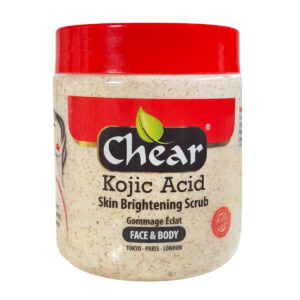
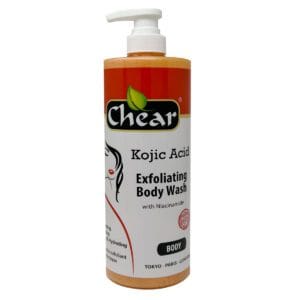
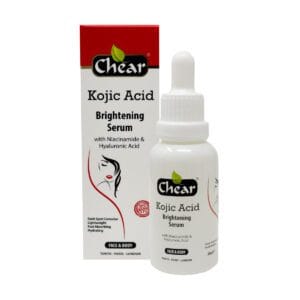
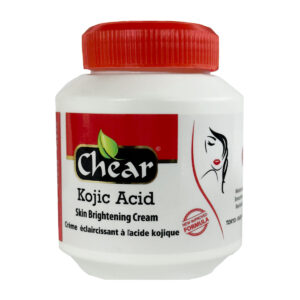
Chear Beauty’s kojic acid line surpasses competitors by combining high-grade kojic acid with supportive ingredients like niacinamide, ensuring efficacy and gentleness. These products target hyperpigmentation superiorly, promoting even tone and glow.
Here are the standout options: