Shopping Cart
Buy £100.00 more to enjoy FREE Shipping


Someone just purchased
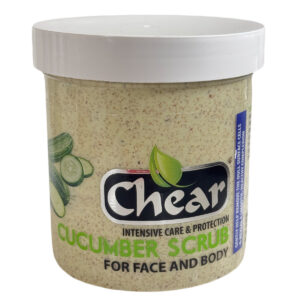
Chear Cucumber Exfoliating Face and Body scrub (454g)
Someone just purchased
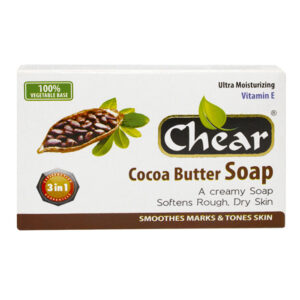
Chear Creamy Cocoa Butter Cleansing Soap Bar

Someone just purchased
Apricot Exfoliating Scrub For Face & Body

Someone just purchased
Acne Cleansing Body Wash – Shower gel (400ml)
Someone just purchased
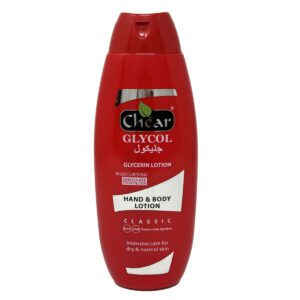
Glycol Moisturising Hand & Body Lotion x 6pcs
Someone just purchased
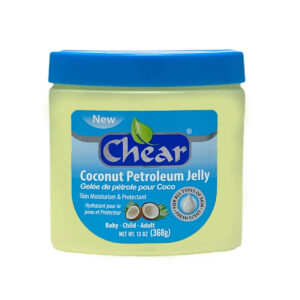
Coconut Petroleum Jelly Skin Moisturiser & Protectant 368g

Someone just purchased
G&C + Papaya Lightening Body Cream x 6pcs
Someone just purchased
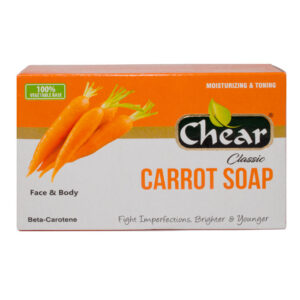
Classic Face & Body Cleansing Carrot Soap X 6pcs

Someone just purchased
Premium Gold Jojoba Oil for Skin, Hair, Scalp & Nails
Someone just purchased
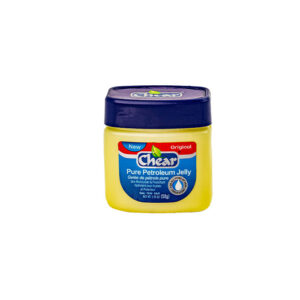
Pure Petroleum Jelly Skin Moisturiser & Protectant – 50g

Someone just purchased
Bio Chear + Lightening Cream Tube x 6pcs

Someone just purchased
Shea Butter Petroleum Jelly Skin Moisturiser & Protectant 368g x 6

Someone just purchased
Skin Moisturising Glycerin & Rose Water 200ml
Someone just purchased
Classic Face & Body Cleansing Carrot Soap

Someone just purchased
Kojie White with Kojic Acid Skin Whitening Body Lotion

Someone just purchased
Extra Lemon Antiseptic Cleansing Soap

Someone just purchased
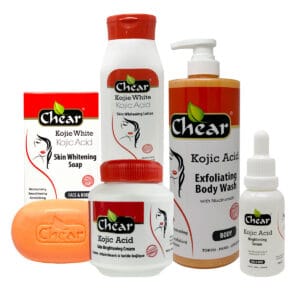
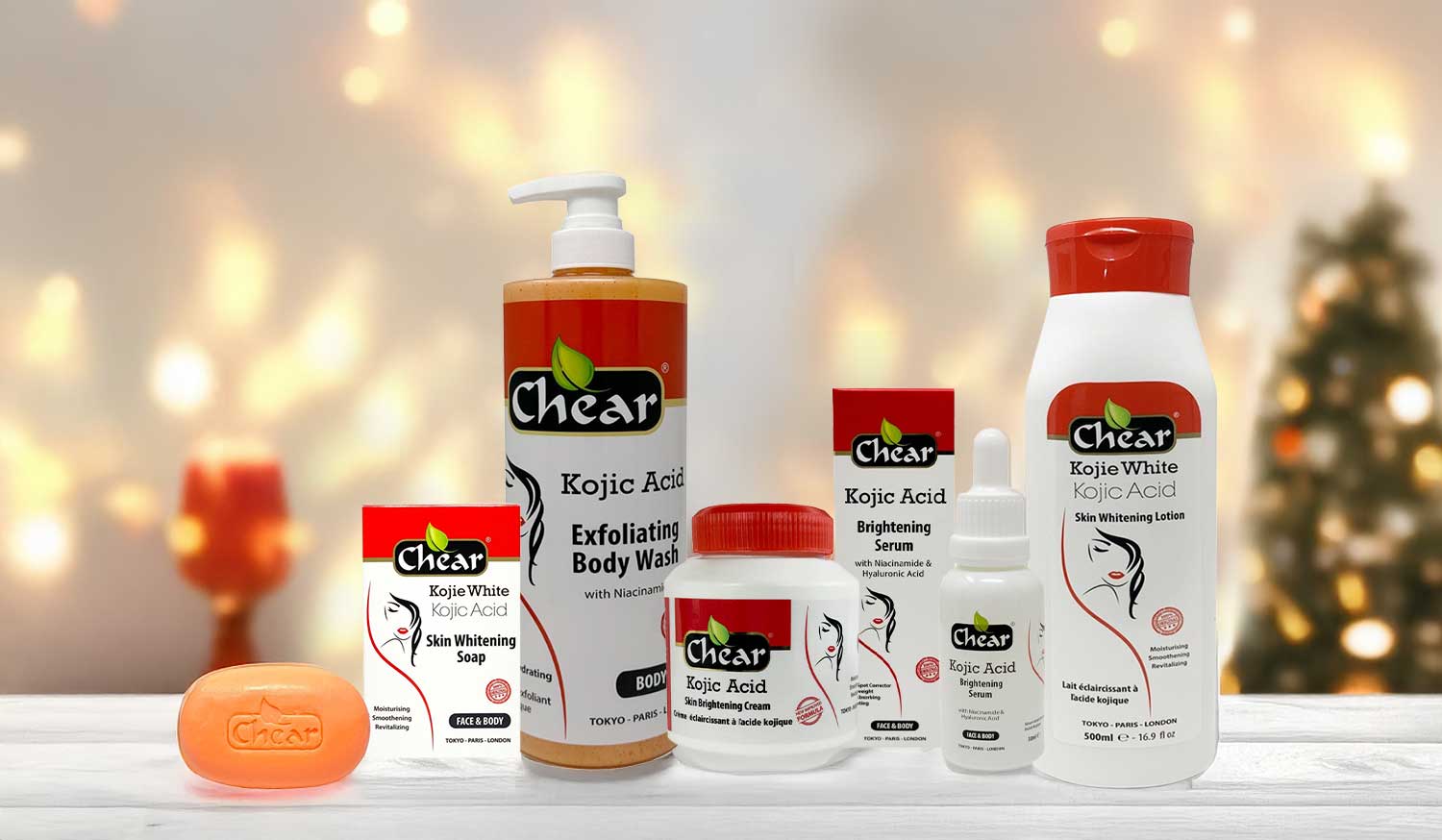
Kojic Acid Face & Body – The Ultimate Skin Brightening Bundle (3 Items – body wash, serum, cream)
Someone just purchased
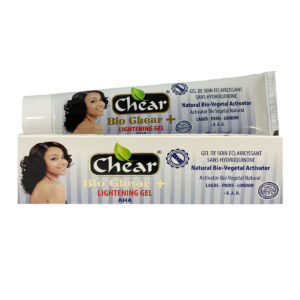
Bio Chear + Skin Lightening AHA Gel (50g tube)

Someone just purchased
Kojic Acid Face & Body Brightening – Duo Wash & Treat (Body Wash & Serum) (2items)

Someone just purchased
Acne Face Exfoliating Cleansing Pads
Someone just purchased
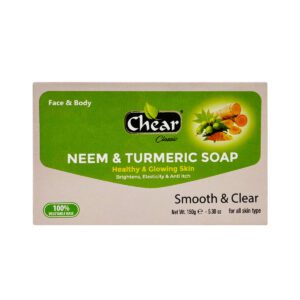
Chear Classic Neem & Turmeric Skin Cleansing Soap x 6pcs
Someone just purchased
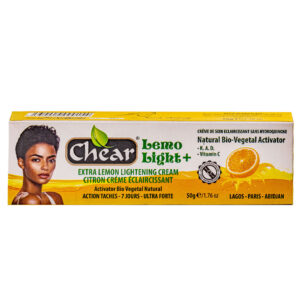
Chear Lemo Light + Lemon Lightening Cream Tube x 6pcs

Someone just purchased
Lemo Light + Lemon Lightening Body Washing Shower Gel x 6pcs
Someone just purchased
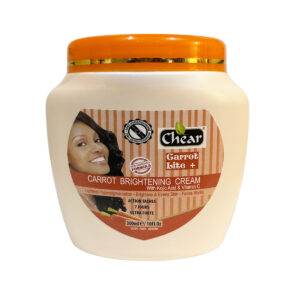
Carrot Lite + Carrot Brightening Face & Body Cream (Jar 300ml)

Someone just purchased
Carrot Lite + Brightening Lightening Soap x 6pcs
Someone just purchased
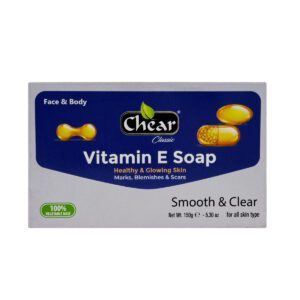
Classic Vitamin E Skin Cleansing Soap
Someone just purchased
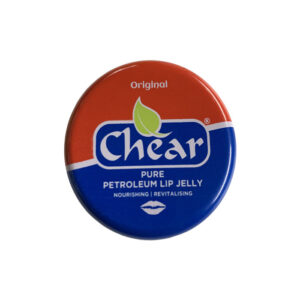
Original Moisturising Petroleum Lip Jelly Balm (20G Small TIN)
Someone just purchased
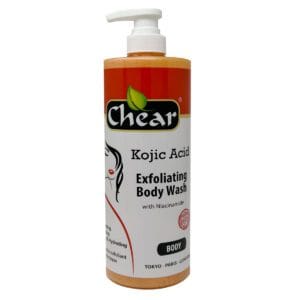
Kojic Acid Exfoliating Cleansing Body Wash For Brightening Skin 1000ml

Someone just purchased
G&C + Papaya Lightening Body Oil x 6pcs
Someone just purchased
Lemo Light+ Extra Lemon Lightening Cream (tube)

Someone just purchased
Pure Glycerin B.P Skin Moisturiser
Someone just purchased
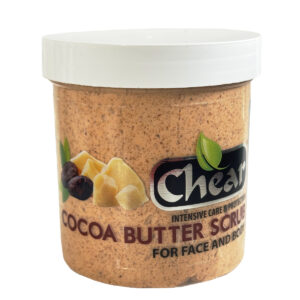
Chear Cocoa Butter Exfoliating Face & Body Scrub (454g)

Someone just purchased
Argan Oil Butter Skin Cream with Turmeric & Wild Rose For Hands & Body

Someone just purchased
Cocoa Butter Skin Cream for Hands & Body

Someone just purchased
Lemo Light + Lemon Lightening Body Oil x 6pcs

Someone just purchased
Kojic Acid Face & Body Brightening- Treat & Moisturise (Serum & Cream) (2items)

Someone just purchased
Acne Sulfur Soap for face & body
Someone just purchased
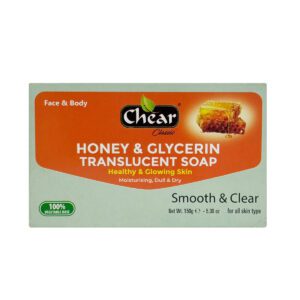
Classic Honey & Glycerin Cleansing Soap x 6pcs

Someone just purchased
Glow & Clear Papaya Lightening Shower Gel x 6pc

Someone just purchased
Lavender Petroleum Jelly Skin Moisturiser & Protectant 368g
Someone just purchased
Lavender Petroleum Jelly Skin Moisturiser & Protectant 368g x 6

Someone just purchased
Bio Chear Lightening shower gel
Someone just purchased
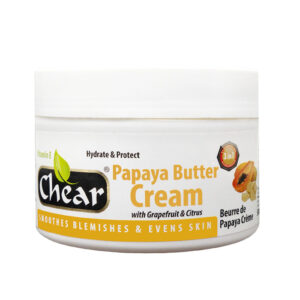
Papaya Butter Skin Cream with Grapefruit & Citrus For Hands & Body

Someone just purchased
Argan Oil Sample Free Gift 30ml
Someone just purchased
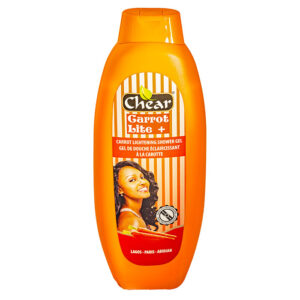
Carrot Lite+ Lightening shower gel

Someone just purchased
Classic Turmeric Cleansing Soap

Someone just purchased
Bio Chear + Lightening Soap x 6pc
Someone just purchased
Creamy Cocoa Butter Skin Cleansing Soap Bar X 6pcs

Someone just purchased
G&C+ Clear Papaya Lightening Brightening Kit (8 Items)
Someone just purchased
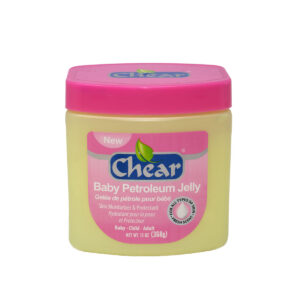
Baby Petroleum Jelly Skin Moisturiser & Protectant – 368g
Someone just purchased
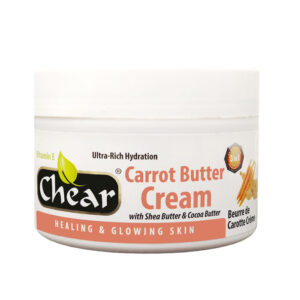
Carrot Butter Skin Cream with Shea Butter & Cocoa Butter For Hands & Body

Someone just purchased
Lemo Light+ Lemon Lightening Body Lotion

Someone just purchased
Acne Target Cream

Someone just purchased
G&C+ Glow & Clear Papaya Lightening Body Lotion
Someone just purchased
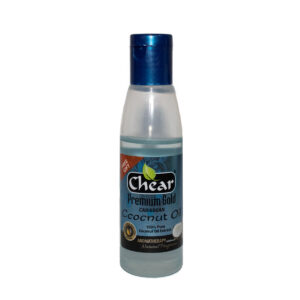
Coconut Oil Sample Free Gift 30ml
Someone just purchased
Bio Chear + Lightening Face & Body Cream (Tube)
Someone just purchased
Bio Chear + Lightening Exfoliating Skin Washing Soap
Someone just purchased
Carrot Lite+ Lightening Shower Gel x 6pc
Someone just purchased
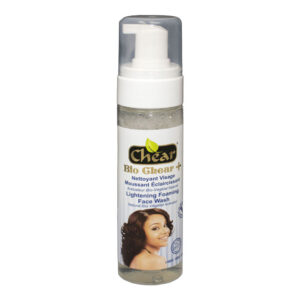
Bio Chear + Lightening Self-Foaming Face Wash
Someone just purchased
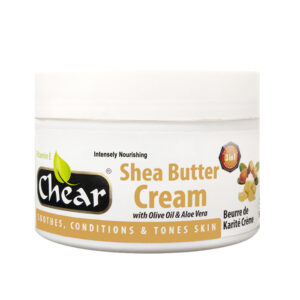
Shea Butter Skin Cream with Olive Oil & Aloe Vera For Hands & Body

Someone just purchased
Premium Gold Coconut Oil for Skin, Hair, Scalp & Nails
Someone just purchased
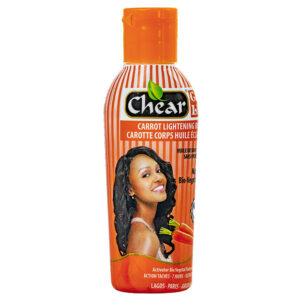
Carrot Lite + Carrot Lightening Skin Oil

Someone just purchased
Clear Tone + Rice Milk Extra Whitening Skin Cream

Someone just purchased
Honey Ultra Moisturising & Nourishing Hand & Body Milk Lotion 750ml

Someone just purchased
Rose Petroleum Jelly Skin Moisturiser & Protectant 368g

Someone just purchased
Kojic Acid Face & Body Brightening – Duo Wash & hydrate (Body Wash & Cream) (2items)
Someone just purchased
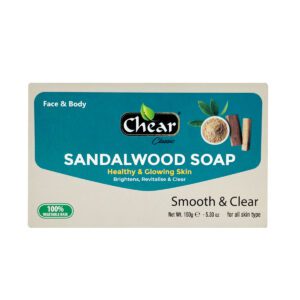
Classic Sandalwood Skin Cleansing Soap x 6pcs

Someone just purchased
Cocoa Butter & Vitamin E Ultra Moisturising Hand & Body Lotion 750ml
Someone just purchased
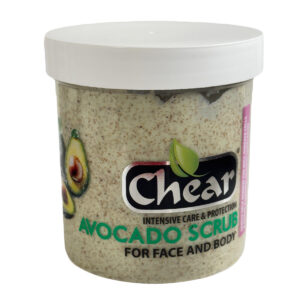
Chear Avocado Exfoliating Face & Body Scrub (454g)
Someone just purchased
Classic Vitamin E Skin Cleansing Soap x 6pcs
Someone just purchased
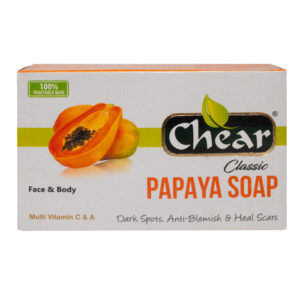
Classic Papaya Skin Cleansing Soap
Someone just purchased
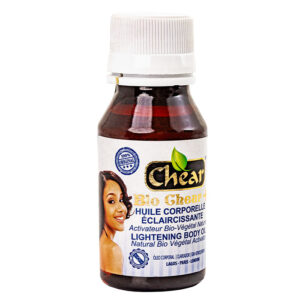
Bio Chear + Lightening Body Oil x 6pc
Someone just purchased
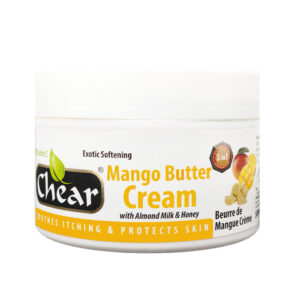
Chear Mango Butter Skin Cream with Almond Milk & Honey For Hands & Body (500ml)

Someone just purchased
Hemp Butter Skin Cream with Moringa & Lavender For Hands & Body

Someone just purchased
African Black Skin Cleansing Soap

Someone just purchased
Indian Healing Bentonite Clay (Powder) Mask

Someone just purchased
Bio Chear + Lightening Body Lotion (new formula) 500ml
Someone just purchased
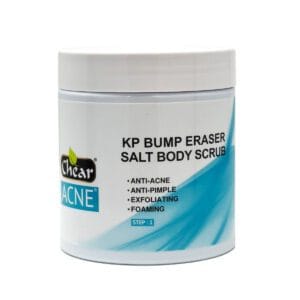
Acne KP Bump Eraser Salt Body Scrub 300g
Someone just purchased
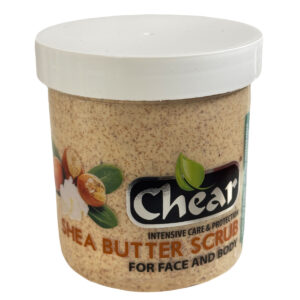
Chear Shea Butter Exfoliating Face & Body Scrub (454g)

Someone just purchased
Maximum LITE+ Cocoa Butter Lightening Body Lotion
Someone just purchased
Acne Target Gel

Someone just purchased
Premium Gold Peppermint Oil for Skin, Hair, Scalp & Nails

Someone just purchased
Chear Acne Relief Face & Body Kit (9 items)

Someone just purchased
G&C+ Glow & Clear Papaya Black Spot Corrector (B.S.C) Lightening Cream x 6pcs
Someone just purchased
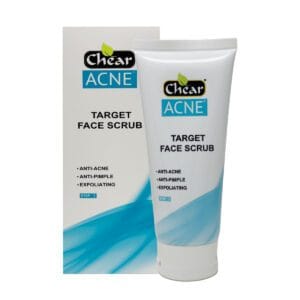
Acne Target Face Scrub 100ml
Someone just purchased
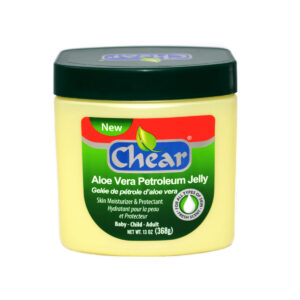
Aloe Vera Petroleum Jelly Skin Moisturiser & Protectant 368g x 6
Someone just purchased
Classic Neem & Turmeric Skin Cleansing Soap

Someone just purchased
Hair & Scalp Tonic
Someone just purchased
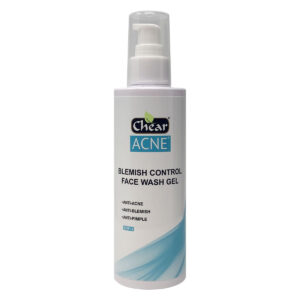
Acne Blemish Control Face Wash Gel (200g)
Someone just purchased
Carrot Lite + Carrot Brightening Exfoliating Skin Soap

Someone just purchased
Vita – C Secret Vitamin C Beauty Lightening Cream

Someone just purchased
Bio Chear + Kojic Acid Lightening Face & Body Cream (Jar) x 6pcs
Someone just purchased
Classic Sandalwood Skin Cleansing Soap

Someone just purchased
Original Pure Petroleum Jelly 368g x 6pc

Someone just purchased
Kojie White Kojic Acid Skin Whitening Face & Body Washing Soap Bar
Someone just purchased
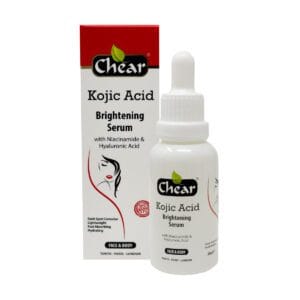
Chear Kojic Acid Skin Brightening Serum for Face & Body 30ml
Someone just purchased
G&C+ Glow & Clear Papaya & Kojic Acid Lightening Cream (Jar 300ml)
Someone just purchased
Shea Butter Petroleum Jelly Skin Moisturiser & Protectant – 368g
Someone just purchased
Glow & Clear Papaya Lightening shower gel
Someone just purchased
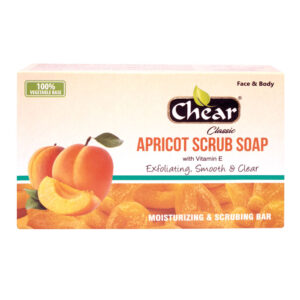
Classic Apricot Scrub Soap X 6pcs