
Shopping Cart
Buy £100.00 more to enjoy FREE Shipping
Discover why a bentonite clay face mask excels for oily skin. Backed by clinical studies on sebum control and acne reduction, explore the superior absorption and purity of the Indian Healing Bentonite B.P. Clay Mask for clearer, balanced skin naturally.
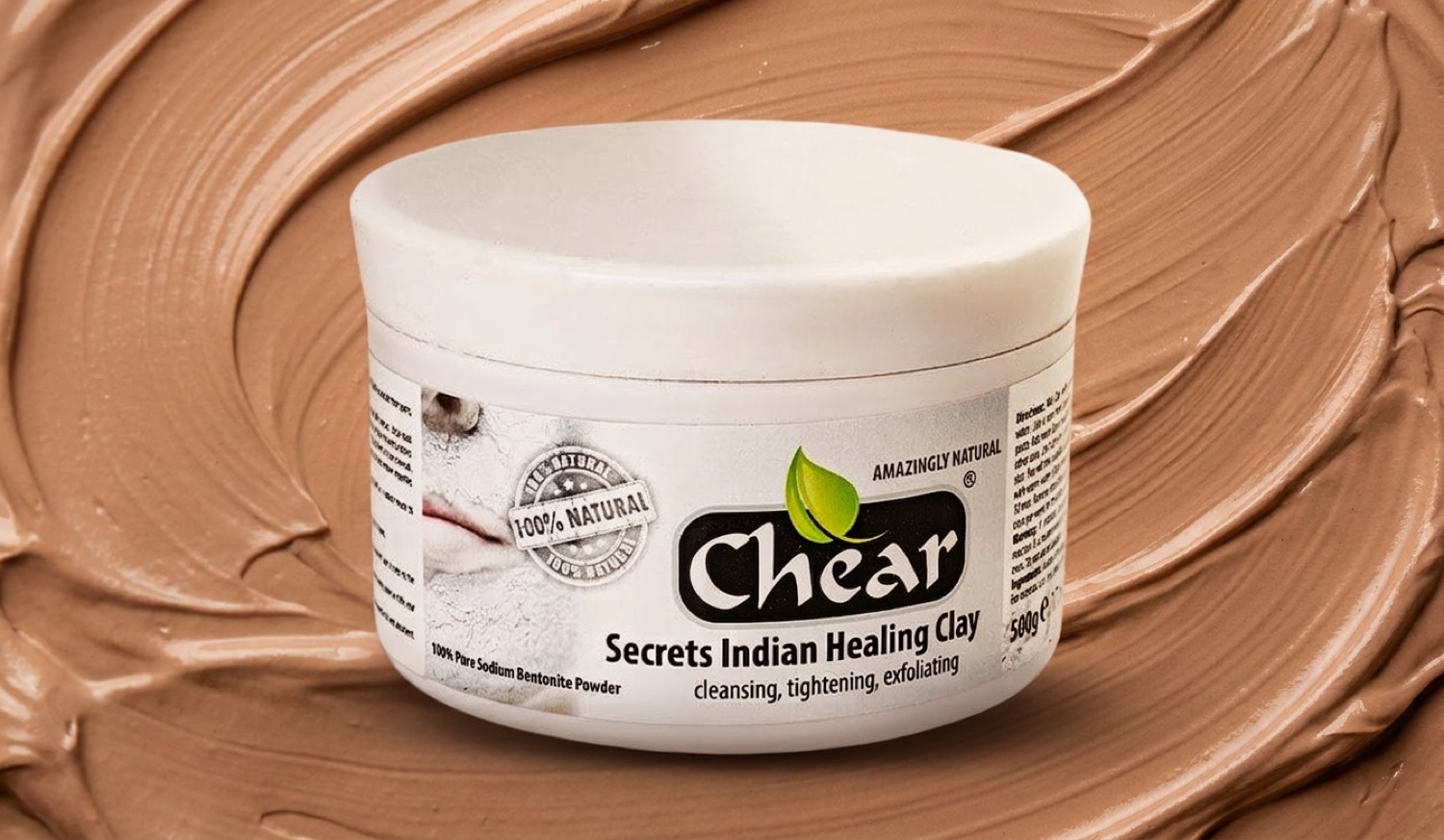
Oily skin presents a common yet frustrating challenge for many individuals, often leading to enlarged pores, persistent shine, and a higher propensity for acne breakouts. In the quest for effective solutions, the bentonite clay face mask has emerged as a standout natural option. Supported by dermatological research and clinical evidence, this mineral-rich treatment offers targeted sebum absorption and pore purification without the harshness of synthetic alternatives.
Furthermore, when sourced to pharmaceutical standards, such as the Chear Indian Healing Bentonite B.P. Clay Mask, it delivers consistent, high-quality results that many conventional products struggle to match. This blog examines the science, practical benefits, and application of bentonite clay face masks, with particular focus on why this approach stands superior for oily and combination skin types.
Bentonite clay originates from volcanic ash deposits and primarily comprises montmorillonite, a smectite clay mineral with exceptional swelling and adsorption capabilities. Its layered crystalline structure enables significant water absorption and ion exchange, allowing it to bind positively charged particles such as excess sebum, dirt, and impurities.
In addition, bentonite contains beneficial trace minerals including silica, magnesium, and calcium that may support skin barrier function and overall texture.
The Chear Indian Healing Bentonite B.P. Clay Mask exemplifies these qualities. Formulated as a versatile powder containing bentonite, montmorillonite, Fuller’s earth, and sodium bentonite (B.P.), it provides a multi-clay synergy for enhanced cleansing. Users mix it fresh with water or apple cider vinegar, preserving potency without preservatives. This purity and customisability set it apart from pre-mixed masks that may include fillers or stabilisers.
Oily skin results from overactive sebaceous glands producing excess sebum, which combines with dead skin cells and bacteria to clog pores. A bentonite clay face mask addresses this at the source through physical and electrochemical mechanisms. Upon hydration, the clay swells and develops a negative surface charge that attracts and traps cationic (positively charged) molecules, including skin oils and environmental pollutants. Its high cation exchange capacity (CEC) and porous structure act like a molecular sponge, drawing sebum from deep within pores.
Consequently, this reduces surface shine and prevents the formation of comedones. Unlike surfactant-based cleansers that can strip the skin and trigger rebound oil production, bentonite clay provides balanced mattification while respecting the skin’s natural barrier. In vitro and clinical observations further indicate mild antibacterial effects against Cutibacterium acnes, a key contributor to inflammatory acne.
Moreover, the mineral composition may offer subtle soothing properties, reducing the inflammation often associated with oily, acne-prone skin. These multi-angle actions, absorption, mild antimicrobial activity, and barrier support, explain why bentonite clay face masks frequently outperform single-mechanism treatments.
Robust research underpins the efficacy of clay masks containing bentonite. A notable 2023 single-arm clinical trial published in Skin Research and Technology evaluated a clay mask enriched with kaolin and bentonite on 75 adults with oily or combination skin and mild-to-moderate acne. Participants applied the mask twice weekly for four weeks.
Key findings included:
These results demonstrate that the core absorbent properties of bentonite and similar clays deliver measurable improvements in oil control, acne lesions, and overall skin quality without compromising hydration.
Building on this, a 2025 randomised controlled trial in the Journal of Cosmetic Dermatology assessed a bentonite-based facial mask combined with Alcea sulphurea extract in patients with moderate acne. The intervention group showed statistically significant reductions in total lesion count (55.45%) and acne severity index (66.33%) over eight weeks, alongside markedly higher patient satisfaction compared to placebo.
A 2017 review in PMC further contextualises bentonite’s broader therapeutic potential, noting numerous studies on its adsorptive and protective effects relevant to dermatology.
Collectively, this body of evidence positions the bentonite clay face mask as a research-supported option for oily skin management.
Regular use of a high-quality bentonite clay face mask confers several interconnected advantages:
In contrast to chemical exfoliants like high-strength salicylic acid, which may cause irritation or dryness in some users, bentonite clay offers a gentler physical approach with cumulative benefits.
Many clay masks on the market contain diluted actives, added fillers, or lower-grade clays with inconsistent performance. The Indian Healing Bentonite B.P. Clay Mask distinguishes itself through pharmaceutical-grade purity (B.P. certification), a synergistic blend of bentonite, montmorillonite, and Fuller’s earth for amplified absorption, and a powder format that ensures freshness and customisation.
Users can mix with water for standard use or diluted apple cider vinegar for added astringent and pH-balancing benefits. This versatility, combined with its large 500g economical size and suitability for face or body, provides exceptional value. Furthermore, its natural origin and absence of unnecessary additives align with evidence-based preferences for minimalist, effective skincare.
For those prioritising quality and results, this product represents a premium yet accessible choice in the bentonite clay face mask category.
To maximise benefits and minimise risks, follow this sequential protocol:
Frequency – Limit to 1–2 times per week for oily skin to prevent over-drying. Monitor skin response and adjust accordingly. Consistent use over several weeks yields optimal sebum regulation and clarity.
While generally well-tolerated, bentonite clay face masks require mindful use. They suit oily, combination, and acne-prone skin best; those with dry, very sensitive, or compromised barriers should proceed cautiously or consult a dermatologist. Overuse or leaving the mask on too long may cause temporary tightness or flaking.
Discontinue if redness, itching, or excessive dryness occurs. Pregnant or breastfeeding individuals, or those with medical skin conditions, should seek professional advice before introducing new treatments. Always pair with adequate hydration and sun protection.
For synergistic results, position the mask within a gentle routine: morning and evening cleansing with a mild, non-foaming cleanser, followed by niacinamide or lightweight serums for oil regulation, the clay mask 1–2 times weekly, and a hydrating yet non-comedogenic moisturiser. This layered approach addresses oiliness from multiple angles while supporting long-term skin health.
In summary, the bentonite clay face mask represents one of the most evidence-supported natural interventions for oily skin. Its unique adsorption mechanism, validated by clinical trials showing substantial sebum reductions and acne improvements, combined with high tolerability and barrier-supporting effects, makes it superior to many stripping or single-action alternatives. The pharmaceutical-grade purity and thoughtful formulation of the Chear Indian Healing Bentonite B.P. Clay Mask further elevate its appeal, offering a pure, versatile, and results-driven solution.
By incorporating this treatment thoughtfully, individuals can achieve clearer, more balanced skin while embracing a minimalist, science-aligned approach. For those ready to experience the difference, the Indian Healing Bentonite B.P. Clay Mask provides an excellent starting point.



Chear Beauty @ Sonik Products Ltd | Company No: 3184821
Chear Beauty @ Sonik Products Ltd, Block C, Woodside End, Wembley Alperton, Middlesex HA0 1UR
No results found. Please try another keyword.
| Subtotal | £0.00 |
|---|---|
| Total | £0.00 |
Don't have an account yet? Sign up for free
Please enter your username or email address. You will receive a link to create a new password via email. Remember now? Back to login
Already have an account? Log in