Shopping Cart
Buy £100.00 more to enjoy FREE Shipping
Discover the science-backed way to remove dark spots and fade pigmentation using kojic acid dark spots treatment. This complete routine with Chear Beauty products delivers visible brightening results safely and effectively.
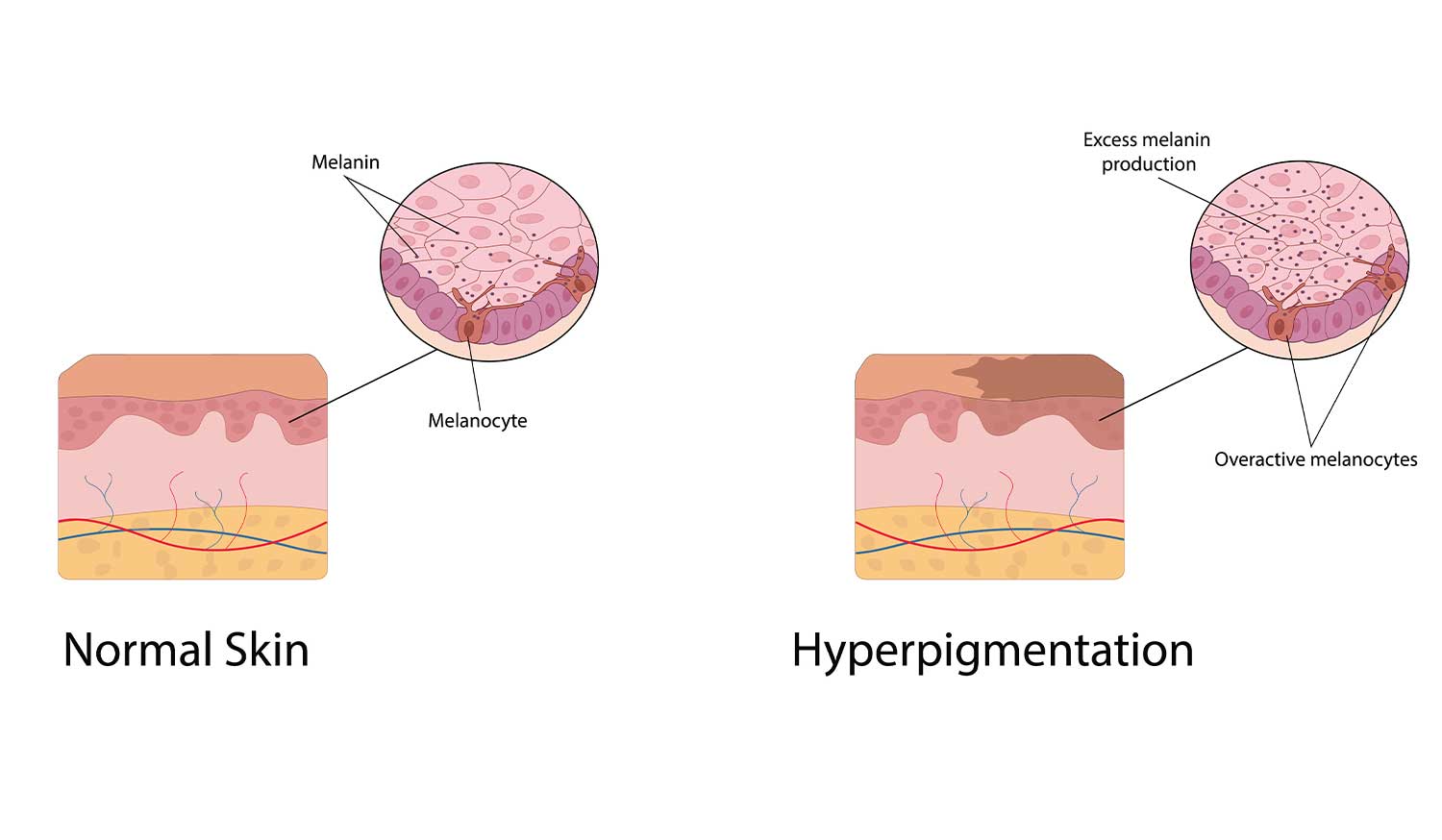
Dark spots, also known as hyperpigmentation, can affect anyone regardless of age or skin type. Whether caused by sun exposure, acne scars, hormonal changes or post-inflammatory responses, these uneven patches often leave skin looking dull and uneven. Fortunately, kojic acid dark spots solutions offer a targeted, research-supported approach to addressing the root cause: excess melanin production.
In this comprehensive guide, we explore why kojic acid stands out as the key solution for melanin inhibition, backed by academic journals, clinical studies and dermatological insights. You will learn a simple three-step routine using proven Chear Beauty products designed specifically for UK skin concerns. Moreover, we compare efficacy, safety and real-world results so you can achieve brighter, more even-toned skin with confidence.
Dark spots form when melanocytes the cells responsible for pigment overproduce melanin in response to triggers like UV rays, inflammation or hormones. This leads to visible patches on the face, hands, underarms, knees and other areas. Transitioning to effective treatment requires addressing both existing pigment and preventing new formation.
Furthermore, hyperpigmentation is particularly common in the UK climate, where intermittent sun exposure combined with indoor lifestyles can exacerbate the issue. Unlike temporary redness, these spots persist without intervention because melanin remains trapped in the skin layers.
Kojic acid, a natural compound derived from fungi such as Aspergillus oryzae, inhibits the enzyme tyrosinase, the rate-limiting step in melanin synthesis. It chelates copper ions in the enzyme’s active site, effectively halting the conversion of tyrosine into melanin.
Multiple peer-reviewed studies confirm its potency. A 2022 review in the Cosmetics journal highlighted kojic acid’s ability to reduce hyperpigmentation disorders, including melasma, age spots and post-inflammatory marks, while providing UV protection. Similarly, research published in Biomedicine & Pharmacotherapy (2019) demonstrated its dual role as a tyrosinase inhibitor and antioxidant, suppressing melanin formation without the cellular toxicity seen in some alternatives.
Additionally, clinical trials show measurable fading. In one comparative study, kojic acid combinations achieved significant improvement in melasma scores, with visible brightening often noticeable within 4–12 weeks of consistent use. Unlike hydroquinone, which can cause ochronosis with prolonged use, kojic acid offers a gentler profile for long-term maintenance ideal for consumers seeking sustainable results.
What sets kojic acid apart? It acts during melanin synthesis rather than destroying melanocytes, delivering progressive fading while supporting overall skin health. Moreover, its antioxidant properties combat free-radical damage that triggers new pigmentation.
Hydroquinone remains a strong performer for rapid results, yet many dermatologists now prefer kojic acid for its superior safety margin in sensitive or ethnic skin types. Vitamin C and niacinamide brighten mildly but lack kojic acid’s direct tyrosinase blockade. Retinoids accelerate cell turnover yet may irritate without addressing melanin production at the source.
Consequently, kojic acid dark spots routines deliver targeted efficacy with fewer side effects when formulated correctly. Chear Beauty products combine kojic acid with soothing botanicals, ensuring gentle yet powerful action.
A clean, exfoliated surface allows active ingredients to penetrate deeper. Begin every routine by removing impurities, dead cells and excess oil that can trap melanin.
Recommended Products:
This luxurious bar combines kojic acid with lactic acid, glycerin and plant extracts (mulberry, licorice kojic acid). It gently cleanses while initiating brightening, unclogging pores and boosting cell turnover. Use daily on face and body for an even tone and reduced dark spots in areas like elbows and knees.
Uses kojic acid, almond oil, and vitamin E to exfoliate twice weekly, revealing smoother skin and accelerating the fading of pigmentation.
Perfect for larger areas, this wash cleanses and exfoliates while infusing kojic acid to comprehensively tackle body pigmentation.
Once skin is clean, apply a concentrated serum to directly inhibit melanin at the cellular level.
Recommended Product:
Apply 2–3 drops to affected areas morning and evening after cleansing.
Clinical evidence supports the use of serum formulations for superior delivery. Studies show topical kojic acid at 0.5-1% concentrations yields statistically significant melanin reduction. Moreover, pairing with complementary brighteners enhances results without irritation.
Lock in actives and restore the skin barrier to maintain results and prevent dryness-induced pigmentation rebound.
Recommended Products:
Furthermore, the combination of hydration and continued kojic acid exposure creates a sealed environment where melanin production stays suppressed.
Consistency is crucial, apply the full routine morning and evening. Always finish with broad spectrum SPF50 sunscreen, as kojic acid increases sun sensitivity. In the UK, reapply every 2 hours outdoors.
Additionally, perform a patch test on the inner arm for 48 hours before full use. Avoid combining with harsh exfoliants initially to minimise irritation. For stubborn spots, layer serum under cream for an amplified effect.
Results vary by individual factors such as skin type and spot age, yet most users notice visible fading within with consistent use when following this protocol.
How long until I see results? Most experience brighter skin in 12 – 16 weeks with daily use.
Is it suitable for all skin tones? Absolutely, it targets melanin without bleaching healthy pigment.
What makes Chear Beauty superior? Each product integrates kojic acid with nourishing botanicals for multi-action brightening, hydration and protection tailored to real UK lifestyles.
Kojic acid dark spots treatment represents a scientifically validated, user-friendly solution for removing dark spots and fading pigmentation. By following this three-step cleanse-treat-hydrate protocol with Chear Beauty’s targeted range, you harness melanin inhibition for clearer, brighter skin.
Ready to transform your complexion? Explore the full Chear Beauty kojic acid collection and start your journey to an even skin tone.
Ready for the next step? See the kojic acid brightening range.