
Shopping Cart
Buy £100.00 more to enjoy FREE Shipping
Experiencing a tingly or mild itchy sensation with kojic acid skin brightening products? Discover the research-backed reasons why it’s often normal, and how Chear Beauty’s targeted formulations deliver superior brightening. Expert insights inside.
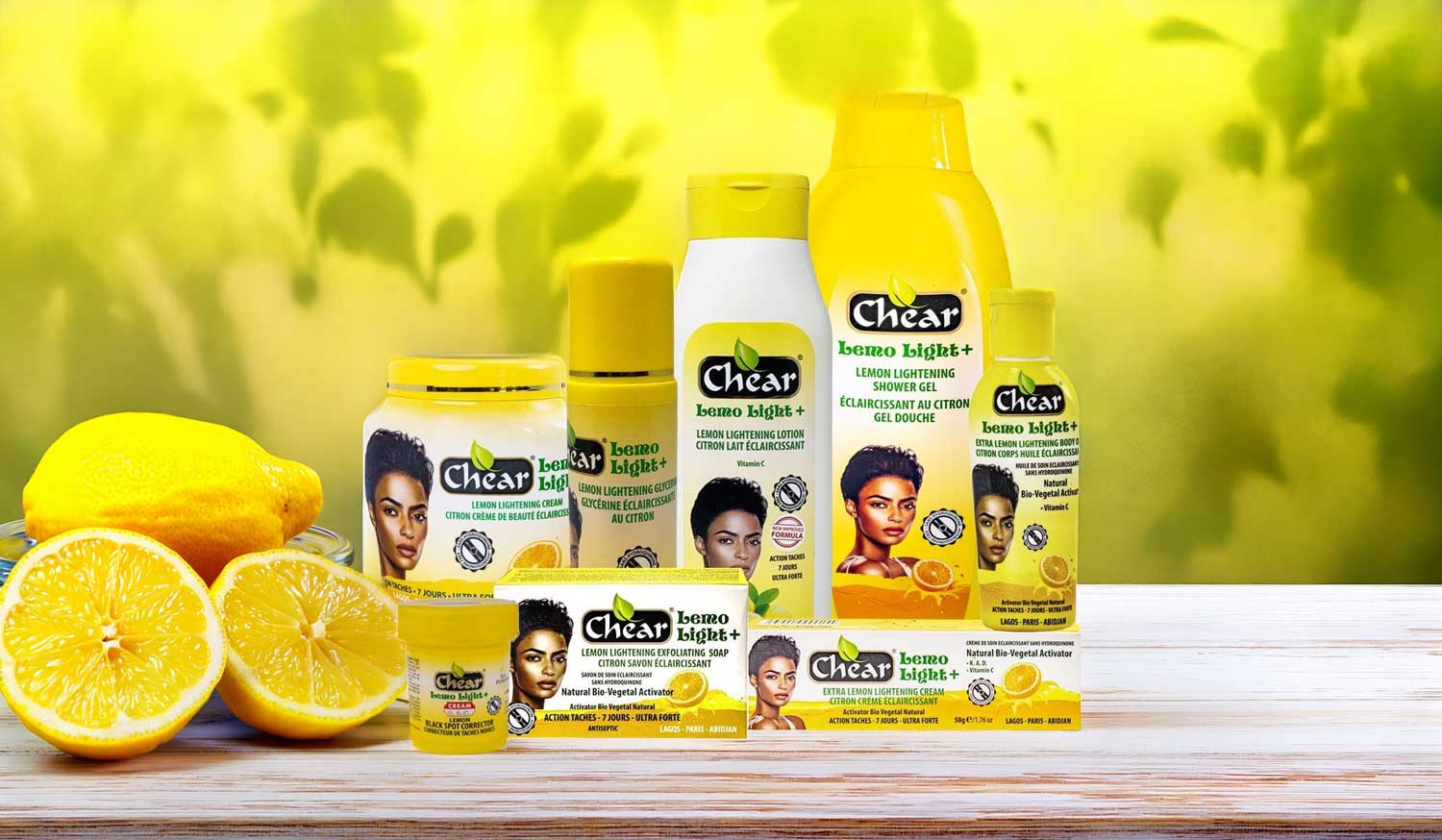
If you’ve reached for a skin brightening product and felt an immediate tingle or mild itch, you’re not alone. Many users of kojic acid skincare report this exact reaction, especially in the first few applications. At Chear Beauty, we formulate our kojic acid range to harness proven brightening power. This sensation is typically a normal, temporary response as active ingredients work beneath the surface.
Moreover, understanding the science helps you use these products confidently and achieve the even, radiant tone you desire. In this in-depth guide, we explore the mechanisms, supporting clinical evidence, and practical steps to effectively manage the “kojic acid tingling sensation.” We also spotlight our full Chear Kojic Acid collection so you can choose the right product for your routine.
Skin brightening products accelerate two key processes: melanin inhibition and epidermal renewal. Kojic acid, derived from fungi, blocks tyrosinase the enzyme responsible for melanin production. This targeted action fades dark spots and hyperpigmentation faster than many alternatives. However, the same penetration that delivers results can briefly disrupt the skin’s outermost layer.
Initially, the active ingredients increase cell turnover and allow deeper delivery. This temporary barrier adjustment often registers as mild tingling or itching. This differs from persistent irritation or allergic reactions. Research confirms that at cosmetic concentrations (up to 1%), the sensation usually subsides within days as skin adapts.
Furthermore, formulation pH and complementary acids play a role. Many brightening serums and creams pair kojic acid with gentle exfoliants, amplifying renewal while keeping irritation low.
Clinical studies consistently position kojic acid as a safe, effective brightener. The Cosmetic Ingredient Review (CIR) Expert Panel and EU Scientific Committee on Consumer Safety (SCCS) both deem it safe at up to 1% in leave-on products. Human sensitisation data support this concentration, with most users experiencing no lasting issues.
Nevertheless, a small percentage report transient redness or itching, often linked to higher concentrations or sensitive skin. One clinical evaluation noted side effects in approximately 14% of melasma patients using kojic acid combinations, typically mild and resolving quickly. This aligns with the “kojic acid tingling sensation” many describe early on.
Chear Beauty’s Kojic Acid Skin Brightening Serum and Cream use high-grade kojic acid balanced with niacinamide, which soothes and strengthens the barrier, a formulation choice that sets our products apart from basic market alternatives.
L-ascorbic acid brightens by neutralising free radicals and inhibiting melanogenesis. Its optimal activity occurs at pH 2.5–3.5, which can produce a brief stinging or tingling sensation upon application. A 3-month study reported mild irritation or stinging in 55% of participants using high-strength formulas, yet tolerance improved rapidly.
Harvard Health notes that mild tingling is expected and recommends starting every other day use. This perspective underscores why the sensation is a sign of active delivery rather than damage.
Lactic acid, an alpha-hydroxy acid (AHA), loosens corneocyte bonds to promote shedding of pigmented cells. Safety assessments show it correlates with increased cell renewal and mild irritation at lower pH levels, yet lactic acid remains gentler than glycolic acid. Users often feel initial tingling as the barrier adjusts, followed by improved texture and tone.
In Chear Kojic Acid Face & Body Scrub and exfoliating Body Wash, lactic acid works synergistically with kojic acid for visible brightening without excessive dryness.
Multiple peer-reviewed sources confirm that transient tingling is a recognised response to effective brightening agents. The British Journal of Dermatology highlights that ascorbic acid and kojic acid cause significantly less irritation than older agents like hydroquinone, yet still produce initial sensitivity in some users.
Additionally, a comprehensive AHA review in the Cosmetics journal explains that mild stinging or burning arises from temporary barrier disruption and heightened transepidermal water loss – effects that resolve as skin thickens and strengthens.
From a multi-angle view:
Persistent burning, redness, or swelling signals the need to pause and consult a dermatologist.
Our range stands out because every formula pairs kojic acid with barrier-supporting niacinamide and thoughtful exfoliation. Explore the full collection here:
Bundles such as the Ultimate Skin Brightening Bundle combine wash, serum, and cream for a complete routine that maximises efficacy while buffering sensitivity.
These products outperform generic brighteners because they balance potency with soothing agents delivering visible fading of dark spots without the dryness or rebound pigmentation common in harsher formulas.
Therefore, patience yields brighter, more resilient skin.
Clinical data show consistent use of kojic acid regimens fades hyperpigmentation by 30–50% with consistent use. Combined with niacinamide and AHAs, these ingredients improve overall tone, texture, and glow results that generic products rarely match. Your skin becomes stronger, not weaker, as renewal accelerates.
If tingling persists beyond two weeks, intensifies, or accompanies swelling or blistering, discontinue use and consult a dermatologist. Individuals with eczema, rosacea, or very sensitive skin may benefit from lower-strength options or professional guidance.
The mild tingly or itchy sensation you feel with skin brightening products is usually your skin’s way of saying the active ingredients are working. Backed by dermatological journals and safety panels, this response is transient and manageable. Chear Beauty’s kojic acid range offers a research-supported, user-friendly path to radiant skin, superior in both efficacy and tolerance.
Ready to experience the difference? Browse the full Kojic Acid Skincare Brightening collection today and embrace brighter, even-toned skin with confidence.


Chear Beauty @ Sonik Products Ltd | Company No: 3184821
Chear Beauty @ Sonik Products Ltd, Block C, Woodside End, Wembley Alperton, Middlesex HA0 1UR
No results found. Please try another keyword.
| Subtotal | £0.00 |
|---|---|
| Total | £0.00 |
Don't have an account yet? Sign up for free
Please enter your username or email address. You will receive a link to create a new password via email. Remember now? Back to login
Already have an account? Log in