Antiseptic Skin Cleansing: Why Your Choice of Soap Matters
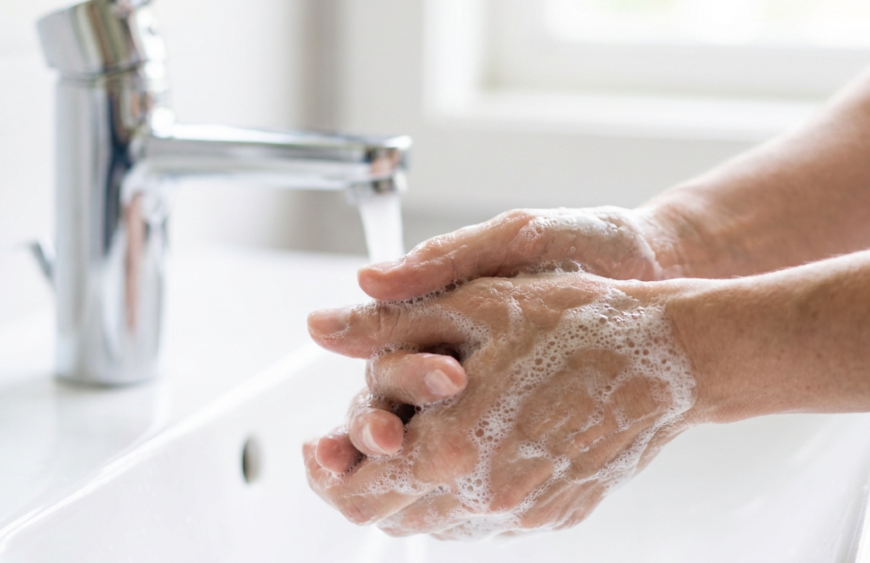
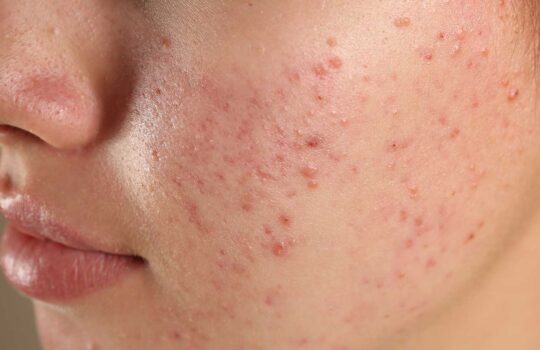
Washing is one of the few skincare habits nearly everyone already does every day, yet most people give surprisingly little thought to what their soap is actually doing to their skin. Somewhere between removing visible dirt and keeping the skin’s own bacterial ecosystem in balance, the choice between an ordinary bar and an antiseptic one starts to matter a great deal, particularly for anyone dealing with blemish-prone skin, everyday environmental exposure, or simply the accumulated grime of a normal day.
Antiseptic cleansing is not a new idea. It has been central to public health guidance for well over a century. Still, the science behind why it works, and how to do it without damaging the skin barrier in the process, has become considerably more precise. This article looks at what the research actually says about antiseptic soap, why simple ingredients have a genuine microbiological basis, and how that translates into everyday products such as Chear’s Lemon Antiseptic Cleansing Soap and Original Antiseptic Cleansing Soap.
The Skin’s Surface Is Not as Simple as It Looks
Skin is often treated as a passive barrier, something that sits between the body and the outside world. In reality, it is host to a dense and dynamic community of bacteria, fungi and other microorganisms collectively known as the skin microbiome. According to research on cutaneous immunity, the outermost layer of skin, the stratum corneum, functions as an active component of the innate immune system rather than a purely mechanical shield, helping to regulate which microorganisms can thrive on its surface and which are kept in check (Elias, 2007).
This matters because not every microorganism on the skin is harmless. Alongside beneficial resident bacteria, skin can also pick up transient organisms from surfaces, other people, and the environment throughout the day, some of which are capable of causing irritation, breakouts, or infection if they are allowed to accumulate. Public health researchers have long noted that the goal of everyday hygiene is not to sterilise the skin, which would be neither achievable nor desirable, but to manage that microbial load so it does not tip out of balance (Larson, 2001). This is precisely where antiseptic cleansing plays its part, reducing the transient bacterial population without stripping the skin of the resident microflora it depends on.
What Actually Makes a Soap “Antiseptic”
The term antiseptic refers to a substance that reduces the population of microorganisms on living tissue. Historically, guidance from bodies such as the World Health Organisation on hand and skin hygiene has drawn a clear line between products that physically remove dirt and oil (mechanical cleansing) and those that also actively reduce microbial load through antimicrobial ingredients (WHO, 2009). A well-formulated antiseptic soap does both jobs at once: the surfactant base lifts away dirt, sebum and everyday residue, while the antiseptic component addresses the bacteria that plain washing alone may leave behind.
Soap itself has a longer antimicrobial history than most people realise. Classic microbiological research into fatty acids found that certain saponified fats disrupt the lipid membranes of many bacteria, a mechanism distinct from, and complementary to, the mechanical rinsing action of washing (Kabara, Swieczkowski, Conley & Truant, 1972). This is one reason traditional bar soap formulations, when properly built around effective antiseptic actives, remain a credible hygiene tool rather than a dated one.
Why Lemon Has a Genuine Place in Antiseptic Formulation
Citrus ingredients like lemon are sometimes dismissed as a fragrance choice rather than a functional one, but the research tells a more interesting story. A widely cited review of essential oils and plant-derived antimicrobials found that citrus-derived compounds, including limonene and related terpenes concentrated in lemon peel and extract, demonstrate measurable antibacterial activity against a range of common skin-associated bacteria, largely through disrupting bacterial cell membranes like other lipid-based antimicrobials (Fisher & Phillips, 2008). While citrus extracts are generally considered a milder antimicrobial than clinical-grade antiseptics, their action is well documented enough that formulators continue to use them specifically for this property, not purely for scent.
Lemon also brings a secondary benefit relevant to everyday cleansing: its naturally high vitamin C and citric acid content contribute mild antioxidant and gentle exfoliating properties, which can help support a brighter, more even-looking complexion over time when used consistently as part of a cleansing routine, rather than as an isolated treatment. This dual role, antibacterial support alongside a pleasant sensory and cosmetic benefit, is part of why lemon has remained a persistent ingredient in antiseptic soap formulations across generations.
The Skin Barrier Trade-Off: Why Formulation Matters as Much as the Active Ingredient
Antiseptic cleansing only works in the skin’s favour if it does not simultaneously damage the barrier it is meant to protect. This is a genuine risk with poorly formulated cleansers. Research published in the International Journal of Dermatology examined the relationship between a cleanser’s pH and its irritant potential, finding that products formulated closer to the skin’s natural, mildly acidic pH produced significantly less irritation and barrier disruption than higher-pH, harsher alternatives, even when antimicrobial performance was comparable (Baranda et al., 2002). In other words, an antiseptic soap that leaves skin tight, dry or reactive is not necessarily doing its job better; it may simply be poorly balanced.
This is why the formulation of an antiseptic bar matters just as much as the presence of an antiseptic ingredient itself. A soap built to cleanse thoroughly while respecting the skin’s natural pH and lipid layer is far more likely to support long-term skin health than one that prioritises antimicrobial strength at the expense of comfort. It is also why dermatology guidance consistently frames gentle, consistent cleansing as more protective over time than infrequent but harsh washing.
Bringing the Research Into a Daily Routine
This is the balance Chear’s antiseptic soaps are built around. Rather than relying on a single harsh antimicrobial agent, the Original Antiseptic Cleansing Soap is formulated to provide thorough, everyday antiseptic cleansing suited to daily use across the face and body, while the Lemon Antiseptic Cleansing Soap pairs that same antiseptic foundation with lemon extract, adding the citrus-derived antibacterial and brightening properties described above for anyone who prefers a formulation with a more targeted, skin-brightening finish.
Used as part of a normal daily routine, either soap is intended to work with the skin rather than against it: removing the transient bacteria, oil and environmental residue that accumulate over the course of a day, without disrupting the resident microflora and lipid barrier that keep skin resilient. As with most hygiene and skincare habits, consistency matters more than intensity. Washing thoroughly once or twice daily, rather than excessively, aligns with the public health research on maintaining microbial balance rather than attempting to sterilise the skin outright (Larson, 2001).
Anyone with broken skin, an active skin condition, or a known sensitivity to citrus ingredients should introduce a new soap gradually and consult a GP or dermatologist if irritation occurs, since individual skin responses vary.
The Takeaway
Antiseptic soap has a longer and more evidence-based history than its humble reputation might suggest. The research is consistent on a few key points: everyday hygiene should reduce harmful bacterial load without stripping the skin’s protective barrier, well-chosen antimicrobial actives such as citrus-derived compounds can meaningfully support that goal, and formulation quality, particularly pH balance, determines whether an antiseptic soap helps the skin or works against it. Understanding that balance is the first step toward choosing a soap that does more than feel clean, one that is genuinely working in your skin’s favour.
References
- Elias, P. M. (2007). The skin barrier as an innate immune element. Seminars in Immunopathology.
- Larson, E. (2001). Hygiene of the skin: When is clean too clean? Emerging Infectious Diseases, 7(2), 225–230.
- World Health Organisation. (2009). WHO Guidelines on Hand Hygiene in Health Care.
- Kabara, J. J., Swieczkowski, D. M., Conley, A. J., & Truant, J. P. (1972). Fatty acids and derivatives as antimicrobial agents. Antimicrobial Agents and Chemotherapy, 2(1), 23–28.
- Fisher, K., & Phillips, C. (2008). Potential antimicrobial uses of essential oils in food: Is citrus the answer? Trends in Food Science & Technology, 19(3), 156–164.
- Baranda, L., González-Amaro, R., Torres-Álvarez, B., Álvarez, C., & Ramírez, V. (2002). Correlation between pH and irritant effect of cleansers marketed for dry skin. International Journal of Dermatology, 41(8), 494–499.
- British Association of Dermatologists: patient information on skin hygiene
- NHS: how to wash your hands and general hygiene advice
- British Skin Foundation: skincare and skin health resources