Understanding Kojic Acid and How It Works
Kojic acid is a natural compound produced by certain fungi during fermentation. It functions primarily as a tyrosinase inhibitor. Tyrosinase is the key enzyme that drives melanin production in the skin. By chelating copper ions at the enzyme’s active site, kojic acid reduces melanin synthesis. Consequently, it helps fade existing hyperpigmentation and prevents new dark spots from forming.
Clinical reviews confirm its efficacy for conditions such as melasma, age spots, sun spots, and post-inflammatory hyperpigmentation. Results typically appear after 4–8 weeks of consistent use, with continued improvement over several months. Moreover, it offers antioxidant properties that support overall skin health.
Unlike some harsher brightening agents, kojic acid works at the surface level without deep penetration when properly formulated. This makes it suitable for regular use when safety protocols are followed.
Evidence-Based Benefits for Skin Brightening
Multiple dermatological studies and reviews demonstrate kojic acid’s value. It effectively reduces melanin in hyperpigmented areas across various skin tones. In addition, combinations with ingredients such as glycolic acid often enhance results for stubborn melasma or post-inflammatory marks.
Research shows concentrations around 1–2% deliver meaningful brightening while remaining tolerable for most users. Furthermore, it serves as a valuable alternative in regions where other agents face regulatory limits. Users frequently report more even skin tone, reduced appearance of dark spots, and improved radiance.
However, benefits depend heavily on correct application and sun protection. Without it, new pigmentation can form, offsetting progress.
Why Kojic Acid Warm Weather Safety Matters
Warm weather introduces specific challenges. Higher temperatures increase skin permeability and transepidermal water loss. Humidity and sweat can compromise the skin barrier temporarily. Most importantly, elevated UV levels stimulate melanin production through the same pathways kojic acid aims to inhibit.
Although kojic acid itself is not classified as a strong photosensitiser, the skin-brightening effect reduces natural melanin protection. Therefore, treated skin becomes more vulnerable to UV-induced damage and rebound pigmentation. Heat can also amplify any mild irritation into visible redness or dryness.
Clinical safety data emphasise that proper photoprotection prevents these issues. In short, kojic acid warm weather safety centres on consistent broad-spectrum sunscreen use alongside measured application.
Potential Side Effects and How Warm Conditions Influence Them
Safety assessments by the Cosmetic Ingredient Review (CIR) and the European Scientific Committee on Consumer Safety (SCCS) conclude that kojic acid is safe in cosmetic products up to 1% concentration. Some data support tolerability at 2% in well-formulated leave-on products.
Common side effects remain mild and include:
- Contact dermatitis or redness
- Itching or stinging, particularly on sensitive skin
- Dryness or flaking during initial weeks
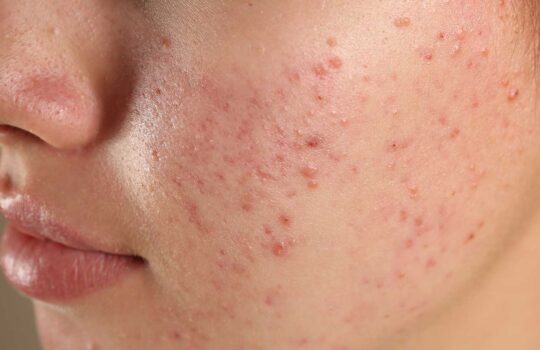
- Rare cases of sensitisation with prolonged high-concentration use
Warm weather can intensify these reactions. Sweat may trap product against the skin or dilute it unevenly. Heat increases blood flow and can heighten perceived irritation. Consequently, starting slowly and monitoring skin response becomes essential.
Studies note that irritation risk rises above 2% or with daily aggressive use. Well-formulated products from reputable brands mitigate this through balanced pH and supporting ingredients.
Step-by-Step Guide to Safe Kojic Acid Application in Warm Weather
Follow these evidence-informed steps to maximise benefits while prioritising kojic acid warm weather safety.
- Perform a patch test – Apply a small amount to the inner arm or behind the ear. Wait 24–48 hours. This identifies any sensitivity before full-face use.
- Begin with lower frequency – Start 2–3 times per week in the evening. Gradually increase to nightly or every other night as tolerated. Warm weather users often benefit from this cautious approach.
- Choose appropriate concentration and timing – Opt for 1% or follow product guidance. Evening application aligns with the skin’s natural repair cycle and reduces UV interaction. If using in the morning, apply sunscreen immediately afterwards.
- Cleanse gently and apply to dry skin – Use a mild, non-stripping cleanser. Pat skin dry. Apply a thin layer to affected areas or full face as directed. Avoid the eye contour and broken skin.
- Layer strategically – Wait 5–10 minutes before moisturiser. In warm weather, pair with a lightweight, barrier-supporting moisturiser containing ceramides or hyaluronic acid. This counters potential dryness.
- Prioritise rigorous sun protection – Apply broad-spectrum SPF 30+ (ideally 50) with high UVA protection every morning. Reapply every two hours during outdoor exposure or after sweating. Mineral-based options often suit sensitive or freshly treated skin.
- Monitor and adjust – Watch for persistent redness or peeling. Reduce frequency or pause use if irritation occurs. Always reintroduce gradually.
- Stay consistent yet patient – Visible brightening requires 4-12 weeks. Maintenance use several times weekly helps sustain results once goals are met.
These steps minimise risk while delivering the brightening effects supported by clinical evidence.
Spotlight on Chear Beauty’s Kojic Acid Skincare Brightening Range
Chear Beauty formulates its Kojic Acid range with effective yet skin-conscious concentrations. The products target dark spots, uneven tone, and hyperpigmentation on face and body. They stand out for clear usage guidance and emphasis on comfort alongside results.
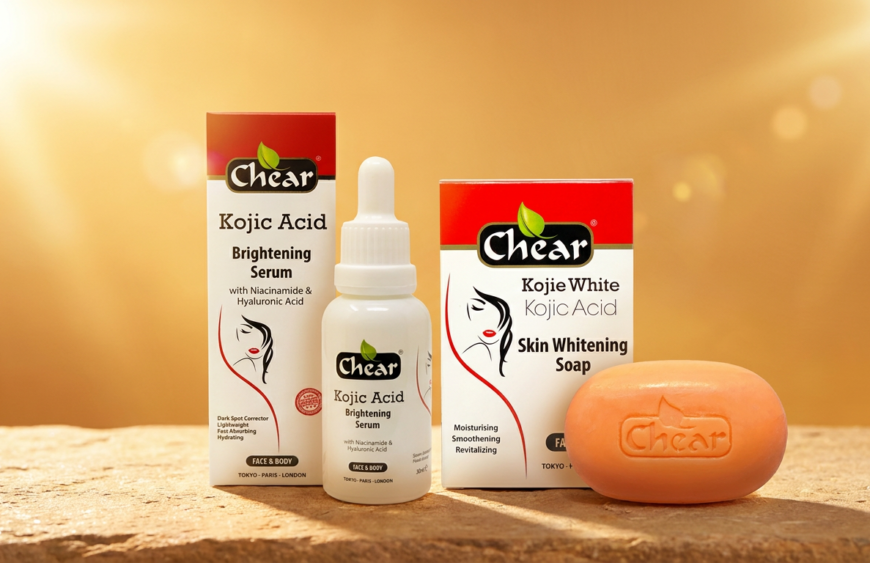
🧴 Chear Kojic Acid Skin Brightening Serum (30ml) – A lightweight serum designed for targeted brightening. Suitable for face and body, it delivers kojic acid in a format that absorbs well without heaviness. Ideal for warm weather routines when paired with sunscreen.
🧼 Chear Kojic Acid Skin Soap – A gentle cleansing option that incorporates kojic acid for daily brightening support on larger areas. Perfect for body use during summer months.
Explore the full Kojic Acid Skincare Brightening collection for additional options, including creams. Chear Beauty products align with research recommendations by focusing on tolerable levels and responsible formulation. Many users appreciate the balance of visible brightening with reduced irritation risk compared to higher-strength or poorly stabilised alternatives on the market.
Sample Summer Skincare Routine Incorporating Kojic Acid
Am/Pm Routine
- Kojic Acid body wash or soap during skin wash
- Kojic acid serum or targeted treatment
- Barrier Kojic Acid supporting moisturiser
- Optional: Kojic Acid Exfoliation 1–2 times weekly
- Broad-spectrum SPF 50 with high UVA rating (reapply as needed)
On non-treatment days or when skin feels sensitised, substitute with hydrating or calming products. This flexible structure supports kojic acid warm weather safety while maintaining skin resilience.
Additional Expert Precautions and Pro Tips
- Hydrate internally and externally. Warm weather increases water loss; pair topical care with adequate fluid intake.
- Avoid combining with strong exfoliants or retinoids initially unless the product is specifically formulated for combination use.
- Consult a dermatologist or skincare professional before use if you have active skin conditions, are pregnant, or use prescription treatments.
- Store products in a cool, dry place. Heat can degrade active ingredients over time.
- For travel to high-UV destinations, double down on SPF reapplication and consider protective clothing.
These measures ensure long-term skin health alongside brightening goals.
Final Thoughts
Kojic acid remains a valuable, research-supported ingredient for addressing hyperpigmentation. When used in warm weather safety is a must, so lap on the SPF. Chear Beauty’s Kojic Acid range provides accessible, thoughtfully formulated options that fit seamlessly into summer routines. Visit Chear’s collection to find the right exfoliator, serum, soap, body wash, lotion or cream for your needs.
Prioritise consistency, patience, and sun protection. Your skin will thank you with a brighter, healthier appearance throughout the warmer months and beyond.
References
- Burnett, C. L., et al. (2010). Final report of the safety assessment of kojic acid as used in cosmetics. International Journal of Toxicology, 29(6_suppl), 244S–273S. pubmed.ncbi.nlm.nih.gov
- Scientific Committee on Consumer Safety (SCCS). (2022). Opinion on Kojic acid (SCCS/1637/21, Corrigendum). European Commission. health.ec.europa.eu
- Review on the Use of Kojic Acid: A Skin-Brightening Ingredient. Cosmetics (2022). Clinical evidence summary for hyperpigmentation treatment.
- Postinflammatory Hyperpigmentation: A Review of the Epidemiology, Clinical Features, and Treatment Options in Skin of Colour. Journal of Clinical and Aesthetic Dermatology. Discussion of tyrosinase inhibitors including kojic acid.
- Expert perspectives on the role of kojic acid in the treatment of hyperpigmentary disorders. Indian Journal of Dermatology (recent review on combinations and safety).
- NHS Sunscreen and Sun Safety guidance: nhs.uk
- British Association of Dermatologists / Skin Health Info – Melasma: skinhealthinfo.org.uk